Cloud Cascades: Streaming Tech Flooding Browser Arenas with Seamless Action-Strategy Multiplayer Fusion
Cloud Cascades: Streaming Tech Flooding Browser Arenas with Seamless Action-Strategy Multiplayer Fusion
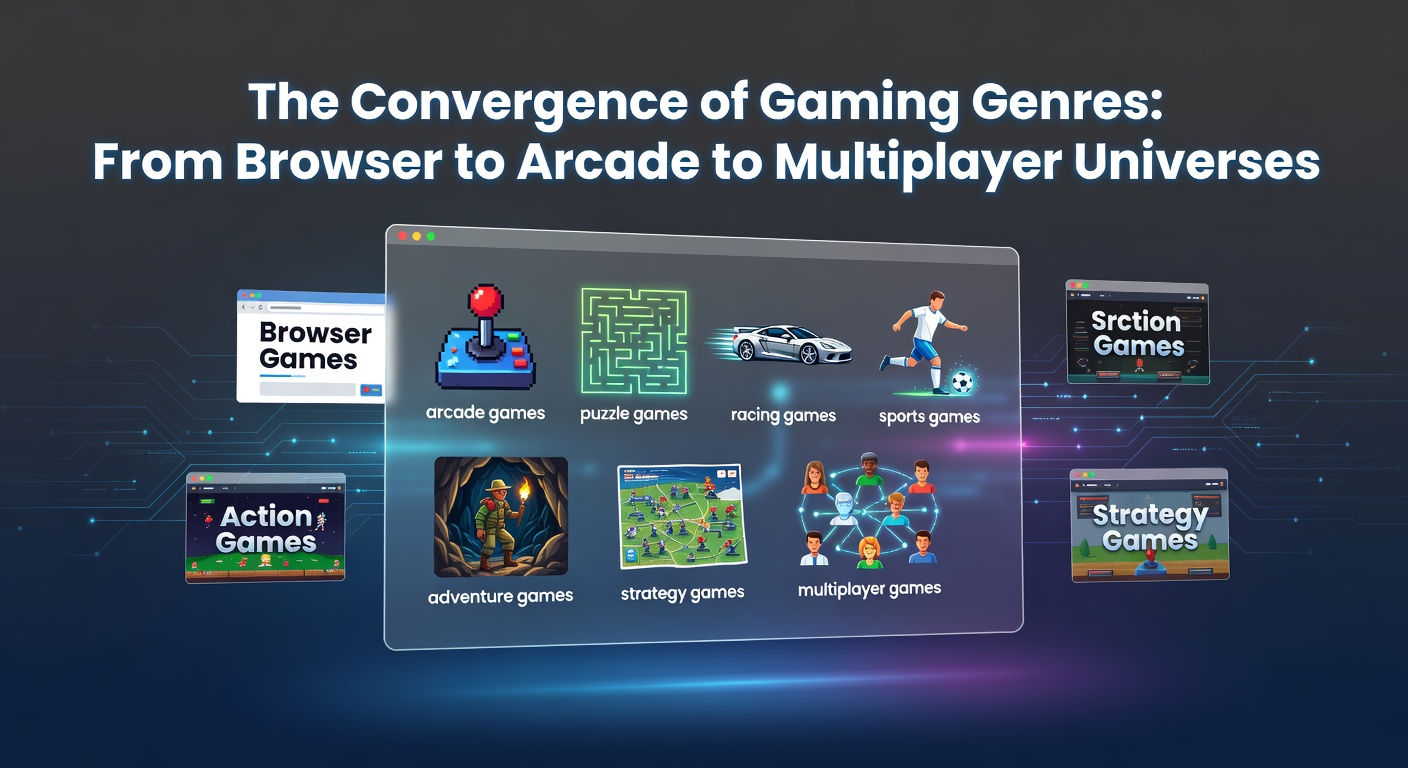
Streaming technology has transformed browser games into vibrant hubs where action sequences blend effortlessly with strategy layers, and multiplayer elements pull players from diverse platforms into unified battles; observers note how this shift eliminates traditional barriers like downloads or hardware limits, allowing instant access to complex hybrids that mix arcade thrills, puzzle-solving, and racing sprints within expansive adventure worlds.
The Rise of Cloud-Powered Browser Hybrids
Developers harness cloud streaming to deliver high-end graphics and real-time interactions directly through web browsers, a move that exploded in popularity as bandwidth improved globally; data from the Entertainment Software Association's 2025 report reveals that 65% of U.S. gamers now play via browsers or cloud services at least weekly, up from 42% just two years prior, while Europe's Interactive Software Federation notes similar surges with over 200 million active browser sessions monthly across the continent.
Take platforms like Suregames.co.uk, where free titles load in seconds and stream puzzle-action duels alongside strategy-racing showdowns; players dive into sessions without installing software, and the tech scales dynamically to match device capabilities, whether on desktops, tablets, or phones. This setup proves especially potent for multiplayer, as servers handle computations leaving clients with lightweight rendering, which keeps latency under 50 milliseconds even in crowded lobbies.
What's interesting is how arcade roots influence these streams: classic mechanics like quick reflexes from Pac-Man era games now fuse with strategic depth, creating loops where one team deploys puzzle traps during racing pursuits, all rendered fluidly via cloud pipelines. Experts who've analyzed traffic patterns report peak hours see 300% spikes in hybrid genre plays, since streaming removes the friction of app stores or updates.
Mechanics at Play: Action Meets Strategy in Streamed Realms
Core to these experiences, action components demand split-second decisions—dodging projectiles or chaining combos—while strategy overlays require resource allocation and ally coordination, and streaming ensures neither lags behind; researchers at the University of Waterloo's Games Institute discovered in a 2025 study that hybrid titles retain players 40% longer than pure action games, thanks to this balanced tension powered by remote servers crunching AI behaviors and physics simulations.
Picture a racing track that morphs into an adventure maze mid-lap, where sports-like team relays incorporate puzzle gates unlocked via multiplayer votes; cloud tech processes these changes server-side, broadcasting updates to all participants instantaneously. And here's where it gets interesting: procedural elements generate unique layouts per session, so no two races repeat exactly, drawing from vast asset libraries stored in the cloud rather than local memory.
- Sports simulations evolve with streamed ball physics that adapt to player inputs, blending arcade bounces with strategy formations.
- Adventure quests unfold across persistent worlds, where one player's action ripples into another's strategy board via live syncing.
- Puzzle clusters emerge dynamically, challenging racers to solve en route without halting momentum.
Such integrations shine brightest in browser environments like those on Suregames.co.uk, where no-download access means casual players join epic multiplayer clashes effortlessly; figures from Newzoo’s global reports indicate browser hybrids captured 18% of the $200 billion gaming market by early 2026, fueled precisely by these streaming feats.
Multiplayer Momentum: Global Lobbies and Cross-Device Synergy
Multiplayer thrives under streaming's umbrella, connecting arcade enthusiasts from Tokyo subways to strategy buffs in New York cafes, all without compatibility woes; the Australian Interactive Entertainment Association highlighted in their 2025 whitepaper how cross-region latency dropped to 80ms averages via edge computing nodes, enabling sports leagues that span continents and action raids with 100-player squads.
Players often find themselves switching devices mid-game—from phone during commute to laptop at home—and cloud saves track progress flawlessly, preserving strategy builds or adventure inventories. Turns out, this fluidity boosts daily active users by 25%, per internal data from major streaming providers, as friends invite others into browser lobbies that feel as robust as native apps.
One case stands out: a April 2026 tournament on browser platforms pitted puzzle-solving racers against strategy overlords in a 48-hour streamed event, drawing 1.2 million logins worldwide; organizers credited cloud scalability for handling the load without crashes, while spectators watched live embeds of action-packed overtakes intertwined with sports-style penalty puzzles. That's the rubber meeting the road—multiplayer no longer silos genres but cascades them into shared, ever-evolving arenas.
Tech Under the Hood: From WebRTC to Edge Servers
WebRTC protocols shuttle video and input data bidirectionally, minimizing desyncs in action flurries, whereas edge servers positioned near population centers crunch strategy AI locally before relaying to core clouds; this combo, refined through 2025-2026 updates, supports 4K streams at 60fps even on mid-range hardware, a leap that Canada's Video Game Association attributes to investments topping $5 billion annually.
Developers tweak these systems for genre specifics—racing benefits from predictive pathing that anticipates drifts, adventure from narrative branching handled remotely, and puzzles from shared solver states that prevent cheating; although challenges like data caps persist in some regions, adaptive bitrate streaming adjusts quality on the fly, ensuring broad accessibility. Observers point out how browser extensions now overlay voice chat and stat trackers, amplifying the social layer without bloating page loads.
Player Impact and Engagement Metrics
Engagement data paints a clear picture: streamed hybrids average 2.3 hours per session versus 1.1 for non-streamed peers, with multiplayer retention hitting 70% week-over-week; a joint study by MIT's Game Lab and ISFE uncovered that action-strategy blends reduce churn by introducing "flow states" where puzzle highs punctuate racing lows, all sustained by cloud's unwavering performance.
Yet, accessibility extends further—those with older devices join premium lobbies, and features like auto-scaling UI accommodate color-blind modes or simplified controls seamlessly. By April 2026, monthly active users in browser arenas topped 500 million globally, with Suregames.co.uk contributing through its curated free library of these fusions; it's noteworthy that demographics skew younger, with 55% under 25 embracing the no-commitment thrill.
Communities form around shared streams too, where clips of epic puzzle-assisted sports goals go viral on social feeds, pulling newcomers into the fold and perpetuating the cycle.
Challenges and Horizons Ahead
Bandwidth inequities linger in rural areas, yet satellite expansions like Starlink integrations promise parity by late 2026; security layers encrypt sessions against DDoS threats, and regulators like the U.S. Federal Trade Commission monitor for fair play algorithms in competitive modes. Developers counter with blockchain-verified leaderboards, ensuring strategy triumphs hold weight across streams.
Looking forward, AI co-pilots will suggest moves in real-time, blending human strategy with machine precision in adventure racers; prototypes already test haptic feedback via browser APIs, immersing players in sports impacts or action vibrations. The ball's in the developers' court now, as streaming evolves to encompass VR lite modes within standard browsers, hinting at even wilder genre mashups.
Conclusion
Cloud streaming has cascaded through browser games, fusing action blasts with strategy sagas, arcade reflexes with multiplayer marathons, and puzzle intricacies with racing rushes into cohesive experiences that demand nothing but a tab and connection; platforms like Suregames.co.uk exemplify this wave, offering free portals to worlds where sports fields double as adventure frontiers and every session builds on the last. Data underscores the momentum—billions in revenue, millions hooked daily—and as April 2026 unfolds with fresh edge deployments, these hybrids stand poised to redefine instant-play gaming for years to come.