Data Retention Mechanisms Supporting Continuous Engagement in Download-Free Multi-Category Play Platforms
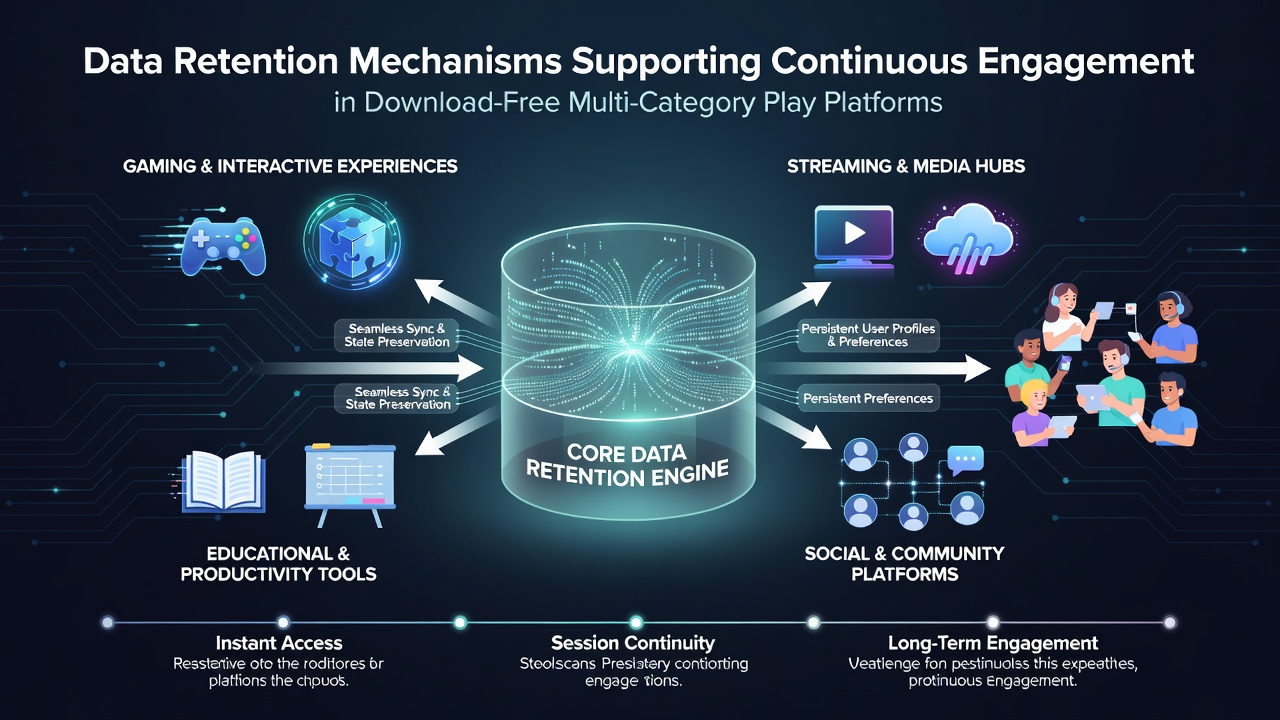
Download-free multi-category play platforms rely on data retention mechanisms that store player progress, preferences and session states directly in web browsers or through synchronized server connections. These systems allow users to switch between puzzle challenges, racing simulations, sports contests and strategy scenarios without losing accumulated achievements or needing to reinstall software. Data retention occurs through combinations of client-side storage technologies and backend architectures that maintain continuity across visits.
Client-Side Storage Foundations
Local storage technologies form the primary layer for retaining information in browser environments. IndexedDB handles structured data such as level completions, inventory items and custom settings while localStorage manages simpler key-value pairs including login tokens and display preferences. These methods enable platforms to resume sessions instantly when users return to the same device, preserving momentum across different game categories without requiring account logins for basic functionality.
Session storage complements these approaches by keeping temporary data active only during a single browser tab lifecycle, which supports short-term experiments in hybrid gameplay modes where players test combinations of action elements and puzzle constraints. Observers note that efficient use of these tools reduces server load while maintaining responsiveness in environments that host dozens of distinct game types simultaneously.
Cloud Synchronization and Cross-Device Continuity
Server-side databases extend retention capabilities beyond individual devices by linking progress to user accounts through secure authentication protocols. This architecture permits players to continue a racing strategy session started on a desktop computer when they switch to a tablet, maintaining leaderboards, unlocked content and performance metrics across locations. Platforms implement incremental sync processes that transmit only changed data packets, minimizing bandwidth requirements during peak usage periods in June 2026.
Research from the University of California indicates that synchronized retention systems increase average session duration by preserving context across genre transitions. Entertainment Software Association reports document similar patterns where cross-device access correlates with higher return rates in multi-category environments.
Privacy Compliance and Data Lifecycle Management
Regulatory frameworks shape how retention mechanisms operate within these platforms. Data minimization principles require systems to delete inactive records after defined periods while still supporting ongoing engagement features such as daily challenge tracking. Encryption standards protect stored information both at rest and during transmission, ensuring that personal identifiers remain separated from gameplay analytics used for matchmaking and content recommendations.
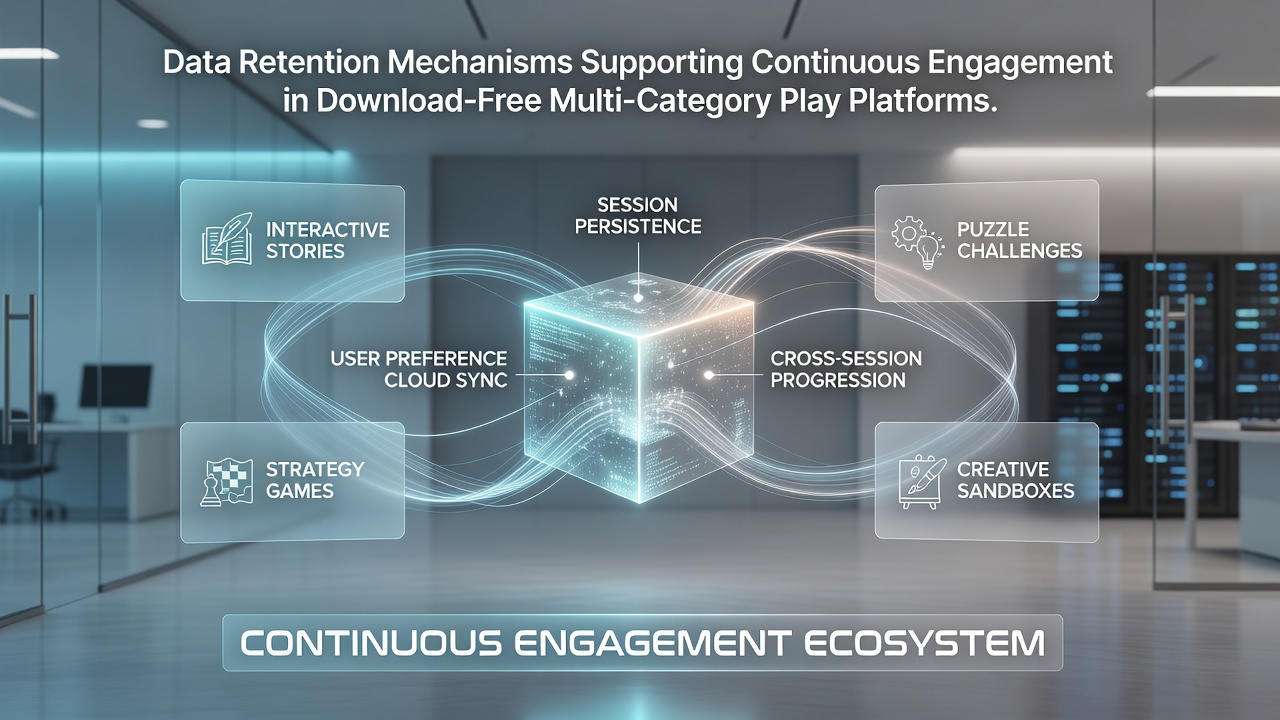
European data protection guidelines emphasize transparency in retention policies, prompting platforms to provide users with clear interfaces for reviewing and deleting stored information. Australian regulatory bodies have issued comparable directives that influence global platform design choices, leading to standardized consent flows that appear at the start of new sessions.
Analytics Integration for Sustained Participation
Retention mechanisms feed into analytics engines that identify patterns in player behavior across categories. Aggregated data reveals which combinations of puzzle and sports elements generate longer engagement streaks, allowing platforms to adjust content delivery without altering core storage infrastructure. These insights support automated reminders and personalized progression paths that reactivate dormant accounts through targeted notifications.
Technical implementations often include compression algorithms that reduce the size of saved states, enabling faster loads even when users maintain extensive histories spanning multiple genres. Platforms that employ these techniques demonstrate measurable improvements in load times during high-traffic intervals observed throughout 2026.
Conclusion
Data retention mechanisms in download-free multi-category platforms combine local browser capabilities with cloud synchronization to create seamless experiences that span puzzle, racing, sports and strategy content. Compliance with regional regulations ensures these systems balance engagement goals with privacy requirements, while analytics derived from retained data inform ongoing platform refinements. As browser technologies advance, the precision and efficiency of these retention processes continue to expand the scope of continuous play available to users worldwide.