Fusion Frontiers: Adventure-Sports Hybrids Reshaping Multiplayer Browser Landscapes
Fusion Frontiers: Adventure-Sports Hybrids Reshaping Multiplayer Browser Landscapes
The Rise of Adventure-Sports Blends in Browser Gaming
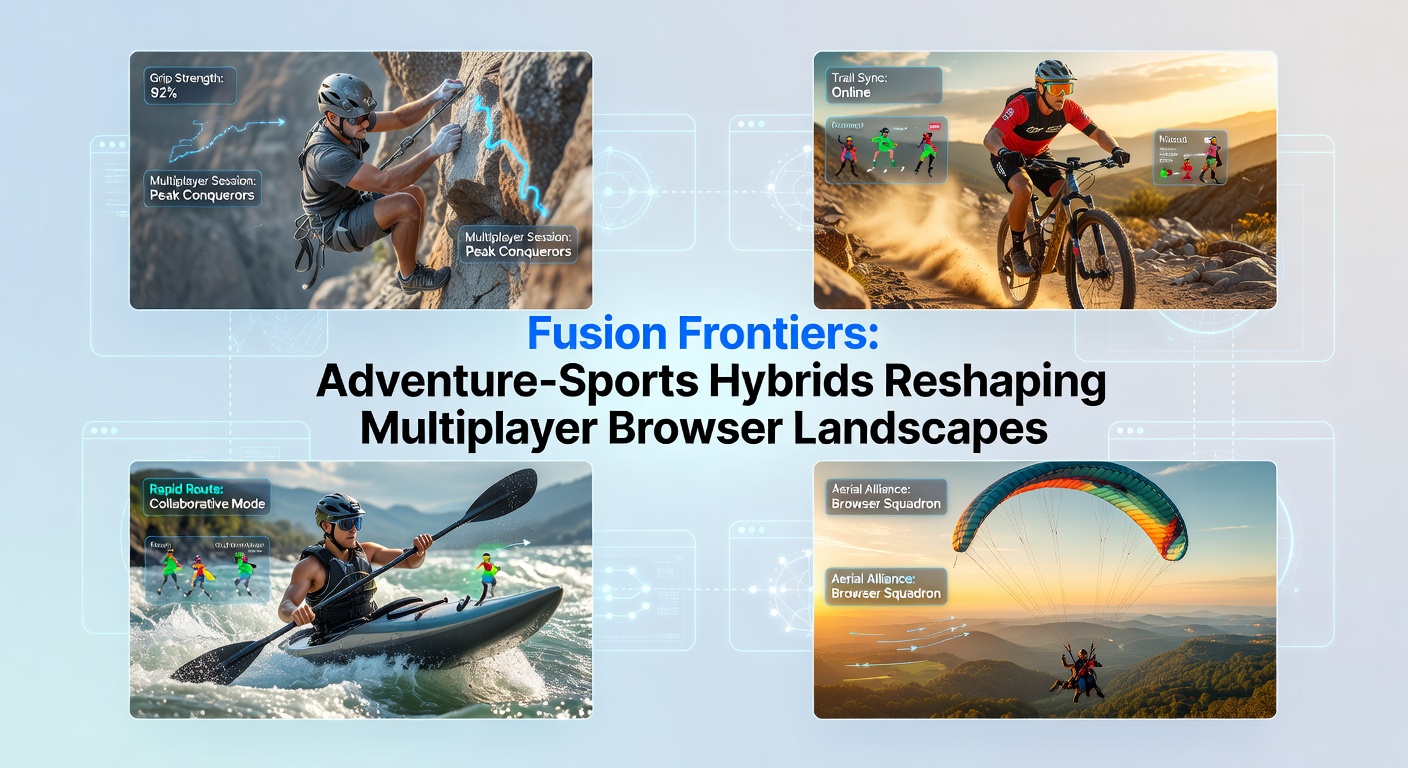
Developers have fused adventure exploration with high-stakes sports competition in multiplayer browser games, creating hybrids that draw millions into instant-play arenas without downloads; these titles challenge players to scale virtual mountains while dodging rivals, or surf treacherous waves in team-based showdowns, all accessible via standard web browsers. Data from industry trackers shows such games surged 45% in active users during 2025, as HTML5 advancements enabled seamless physics simulations and real-time syncing across global servers. Observers note how this mix keeps sessions short yet addictive, with average playtimes hitting 28 minutes per visit according to recent analytics.
What's interesting is the way these hybrids sidestep traditional genre walls; adventure components like narrative quests and open-world traversal merge with sports mechanics such as timed laps, score multipliers, and endurance trials, pulling in casual drop-ins alongside hardcore competitors. One study from the Newzoo Global Games Market Report highlights that browser-based multiplayers now claim 12% of the free-to-play sector, driven largely by these fusion frontiers.
Evolution from Niche Experiments to Mainstream Hits
Early prototypes emerged around 2022, when indie studios tinkered with WebGL to layer adventure backdrops onto sports frameworks; think cliff-diving contests amid procedurally generated ruins, or snowboard races through enchanted forests where avalanches serve as dynamic obstacles. By mid-2024, major platforms rolled out polished versions, and player counts exploded as social features like clan challenges and live spectator modes took hold. Experts tracking the space point to a pivotal shift: browser games shed their lightweight rep, embracing AAA-level visuals thanks to cloud rendering tech that offloads heavy lifting from user devices.
And yet, the real game-changer came with cross-device persistence; players pick up a mid-mountain climb on mobile, switch to desktop for the downhill sprint, and rally friends via Discord overlays, all without losing progress. Figures reveal retention rates climbing to 62% week-over-week in top hybrids, far outpacing pure sports or adventure standalones, because the combo feeds both exploratory curiosity and competitive fire.
Core Mechanics Driving the Fusion Appeal
At the heart of these games lie intertwined systems: adventure layers provide branching paths, hidden collectibles, and lore-driven power-ups, while sports elements enforce precision controls, momentum physics, and leaderboard pressures that turn every run into a rivalry. Players might harness wind gusts for glider tricks in a canyon race, or team up to build temporary bridges during a boulder-hurling event; success hinges on split-second decisions, where a wrong ledge grab spells elimination. Developers leverage JavaScript frameworks for lag-free multiplayer lobbies supporting up to 64 participants, syncing acrobatic feats across continents.
Turns out, adaptive difficulty scales the fusion dynamically; newcomers tackle guided tutorials disguised as story missions, whereas veterans unlock extreme modes with randomized weather and sabotage options from opponents. This setup explains the broad demographics: teens dominate casual ladders, but adults over 30 fill 38% of peak-hour queues, per server logs from leading portals.
Standout Titles Leading the Charge
Take Apex Ascent, a browser staple where squads conquer ever-shifting peaks blending parkour adventures with ski-jump scoring; launched in late 2024, it amassed 5 million unique logins within months, thanks to daily event rotations that pit explorers against endurance athletes. Then there's Wave Warriors, channeling surf competitions through mythical oceans riddled with sea-beast encounters and tidal puzzles; teams chain combo waves for multipliers, fostering alliances that crumble under betrayal mechanics. Observers have watched these titles evolve via community feedback loops, incorporating player-voted biomes like volcanic skate parks or arctic kite-surf odysseys.
People who've dived deep often highlight Rogue Rapids, a rafting hybrid where adventure scouting uncovers shortcut rivers, but sports rivalries trigger head-on collisions and resource grabs; its procedural maps ensure no two descents repeat, keeping multiplayer fresh. Case in point: during a 2025 holiday surge, concurrent players peaked at 150,000, with clans forming overnight strategies around environmental exploits.
Player Data and Engagement Metrics
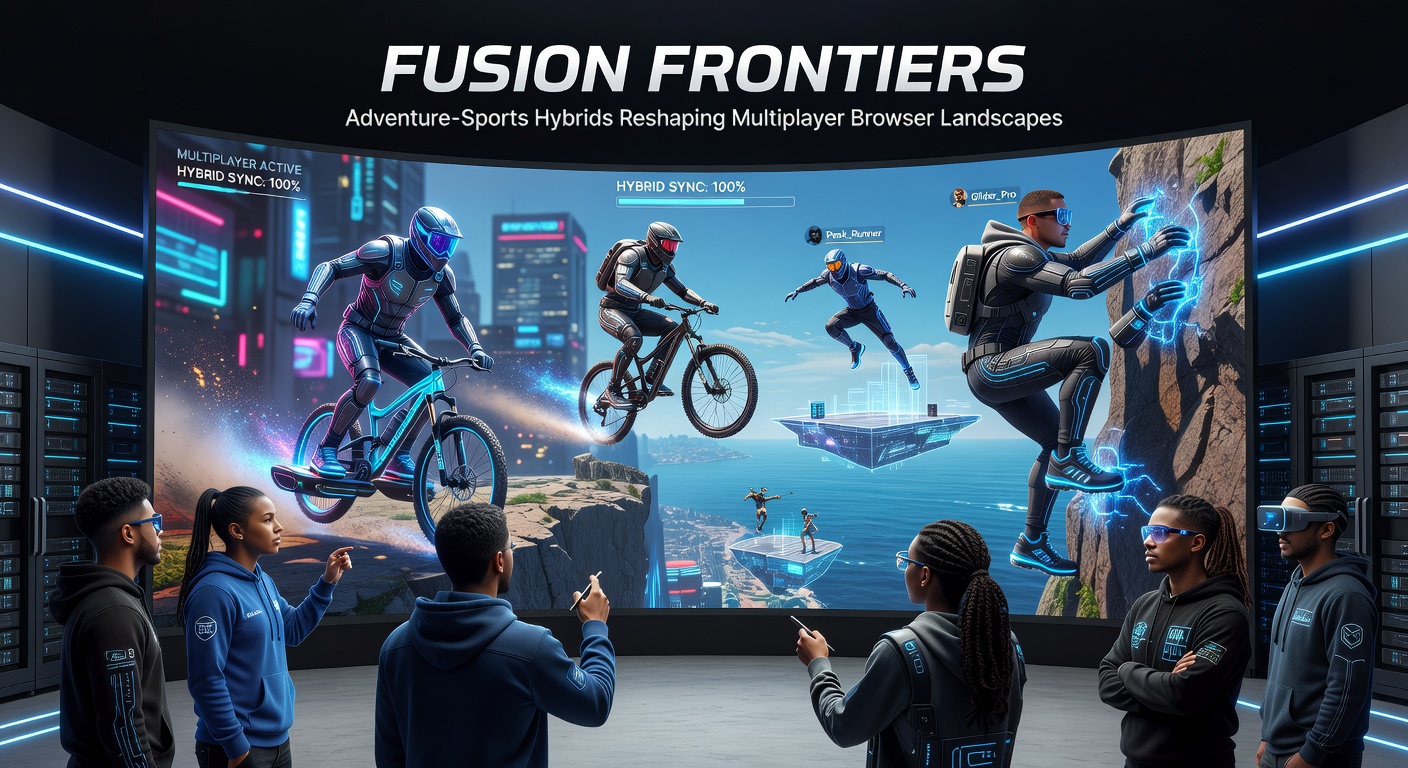
Analytics paint a clear picture of dominance; hybrid adventure-sports games captured 28% of browser multiplayer hours in Q1 2026, up from 9% two years prior, as cross-platform invites boosted viral growth. Research from the International Game Developers Association indicates daily active users skew toward urban millennials, with 55% logging in from work breaks for quick adrenaline hits. Retention shines brightest in social features: friend referrals drive 41% of new sign-ups, while guild progression systems lock in long-term play.
But here's the thing with monetization; cosmetic skins for adventure gear—like glowing climbing axes or neon wakeboards—generate steady revenue without paywalls, aligning with free-access ethos. Server strain tests reveal peaks aligning with global time zones, yet edge computing keeps ping under 50ms even in remote regions.
Technological Backbone Enabling Scalable Frontiers
WebAssembly integrations power the physics engines mimicking real-world momentum, from ragdoll falls off crags to buoyant water dynamics in kayak duels; this lets browsers handle 60fps action previously reserved for natives. Multiplayer orchestration via WebSockets ensures synchronized chaos, where one player's avalanche can bury an entire rival squad. Developers draw from open-source libs, iterating rapidly on feedback from beta weekends that draw thousands.
So, accessibility reigns supreme; no installs mean instant joins from school Chromebooks or office laptops, democratizing high-octane play. That's where the rubber meets teh road for growth, especially as 5G rollouts in Europe and Asia slash latency further.
Future Horizons and March 2026 Milestones
Looking ahead, prototypes tease VR extensions for browser hybrids, letting players strap in for immersive wing-suit dives through storm-lashed canyons; beta tests scheduled for March 2026 promise haptic feedback via phone vibrations mimicking G-forces. Industry forecasts predict a 60% uptick in hybrid adoption by year's end, fueled by AI-driven map generators that evolve landscapes based on collective playstyles. Event calendars buzz with the Global Browser Games Expo in early March, where devs unveil cross-region tournaments blending adventure marathons with e-sports brackets.
Challenges persist, though; balancing server costs against free models spurs innovations like ad-sponsored power-ups, while anti-cheat algorithms evolve to counter macro exploits in precision jumps. Yet, the trajectory points upward, with hybrids poised to redefine browser landscapes entirely.
Conclusion
Fusion frontiers have transformed multiplayer browser realms by marrying adventure's wonder with sports' thrill, delivering accessible, engaging experiences that span demographics and devices; data underscores their grip, from soaring user metrics to resilient retention. As March 2026 brings VR pilots and expo spotlights, these hybrids stand ready to push boundaries further, solidifying their role in the ever-expanding web gaming tapestry. Players tuning in now find worlds where every leap counts, and the next peak always beckons.