Interface Simplification Trends Driving Broader Adoption of Mixed Genre Web Entertainment
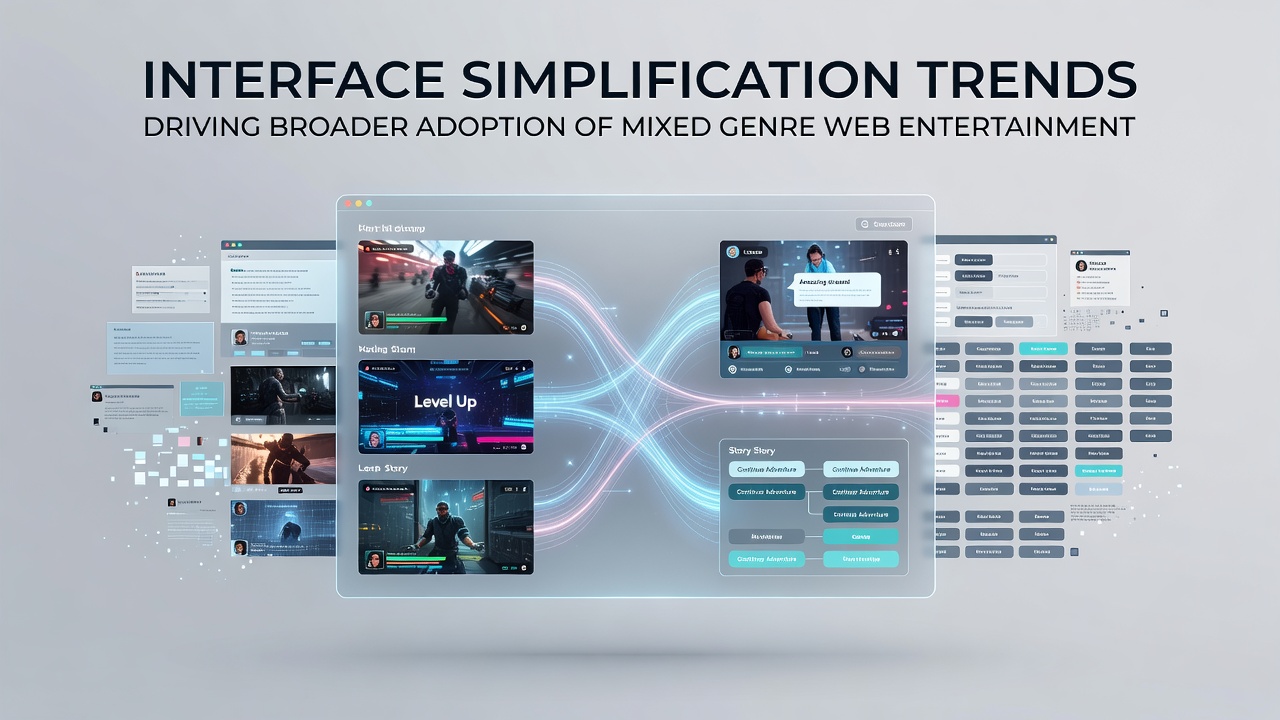
Interface simplification has emerged as a central factor in expanding access to mixed genre web entertainment, where developers combine elements from racing, strategy, puzzle and action categories into unified browser experiences, and data from multiple industry analyses shows measurable increases in user engagement across these platforms. Researchers tracking browser-based platforms note that streamlined controls and reduced visual clutter allow players to transition between genres without learning separate command sets, which in turn supports longer session times and higher retention rates in no-download environments.
Core Elements of Simplified Interfaces
Designers achieve simplification through consistent navigation patterns, consolidated action buttons and adaptive layouts that adjust based on the active genre blend, while studies released in early 2026 document how these choices lower the barrier for new users who might otherwise abandon hybrid titles. Observers point to the removal of layered menus and the integration of contextual tooltips that appear only when relevant, allowing a single session to flow from strategic planning into real-time action sequences without requiring menu navigation or separate tutorial screens.
Figures compiled by international gaming associations reveal that titles employing these methods recorded participation growth exceeding 30 percent in markets across North America and the Asia-Pacific region during the first half of 2026, and analysts attribute part of this expansion to the fact that simplified interfaces operate reliably on lower-spec devices and variable network conditions.
Impact on Mixed Genre Adoption
Browser entertainment that merges multiple genres benefits directly when interfaces reduce cognitive load, because players can experiment with combined mechanics such as puzzle-constrained racing or strategy-infused sports simulations without first mastering complex control schemes. Data gathered through platform telemetry indicates that users who encounter fewer than five primary interaction elements at any given moment demonstrate higher completion rates for cross-genre challenges, and this pattern holds across demographic groups tracked in recent reports.
Technological Enablers
Advances in HTML5 rendering and client-side processing have supported these interface changes by enabling smoother transitions between game modes, and regulatory filings from bodies such as the Australian Classification Board show increased submissions for hybrid browser titles that rely on simplified input methods. Cloud streaming infrastructure further reduces local processing demands, which allows developers to maintain visual clarity while stripping away redundant on-screen elements that once cluttered mixed genre experiences.
In June 2026, several platform operators reported record simultaneous user counts for titles that had recently adopted unified control schemes, confirming that interface adjustments correlate with spikes in cross-genre participation. Those who monitor usage patterns note that referral traffic and organic discovery both increase when new players encounter familiar interaction patterns regardless of the underlying genre combination.
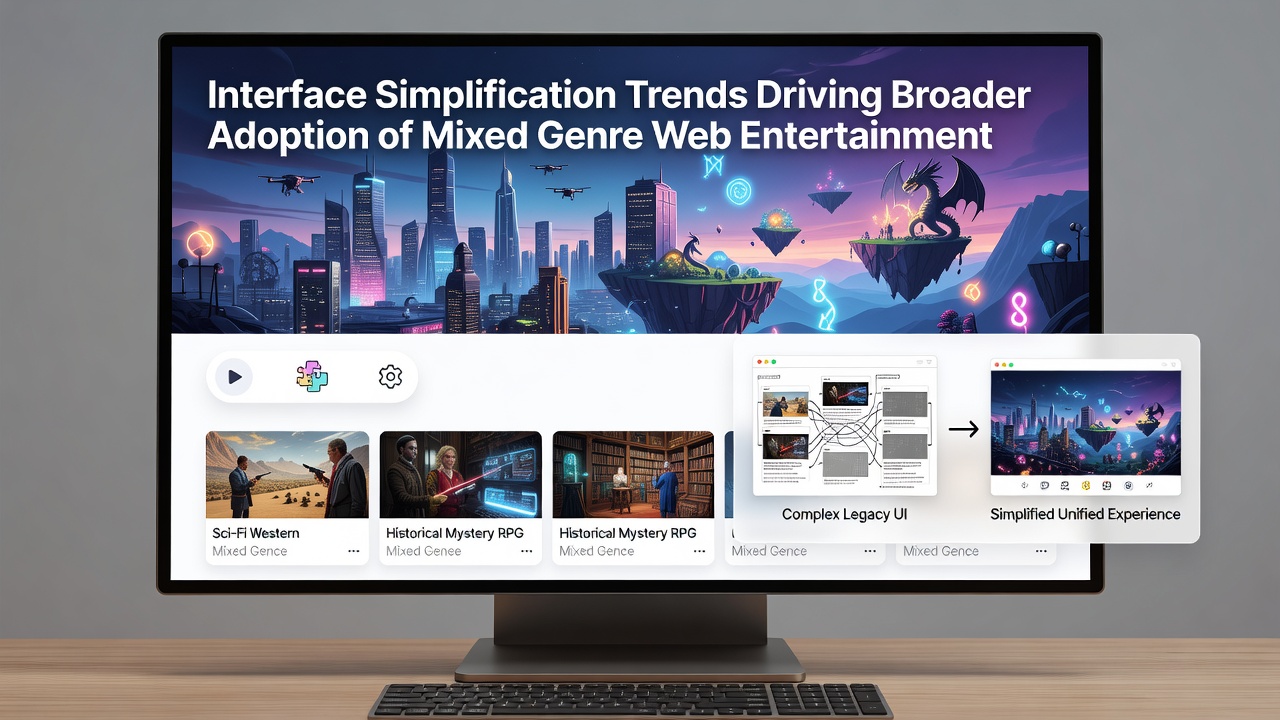
Regional Data and Platform Trends
European research institutions tracking digital entertainment consumption have documented similar patterns, with simplified interfaces appearing in a growing share of multiplayer browser offerings that blend adventure and sports mechanics. According to a 2026 report issued by the Entertainment Software Association, titles featuring adaptive interfaces accounted for the majority of new user registrations in the web category during the preceding twelve months, and this distribution reflects broader accessibility across devices and connection speeds.
Platform operators have responded by standardizing certain interface components across their catalogs, which reduces development overhead while preserving the distinct identity of each genre fusion. Observers have recorded that consistent iconography and gesture mapping across different hybrid experiences contribute to faster onboarding, particularly when players move between sessions on the same device.
Future Trajectory
Continued refinement of interface elements is expected to sustain adoption momentum, especially as developers integrate more procedural generation techniques that still require clear, immediate feedback systems. Industry projections shared at mid-2026 conferences indicate that browser entertainment will continue shifting toward fewer, more versatile controls that accommodate multiple genres simultaneously, thereby extending reach into audiences previously limited by device constraints or prior gaming experience.
Conclusion
The convergence of simplified design practices and mixed genre content has produced measurable expansion in web entertainment participation, supported by technological improvements and corroborated by data from multiple regulatory and industry sources. As these trends progress, browser platforms stand positioned to maintain broader accessibility while accommodating increasingly complex combinations of gameplay styles.