Monetization Trends Transforming Player Experiences in Cross-Genre Digital Competitions
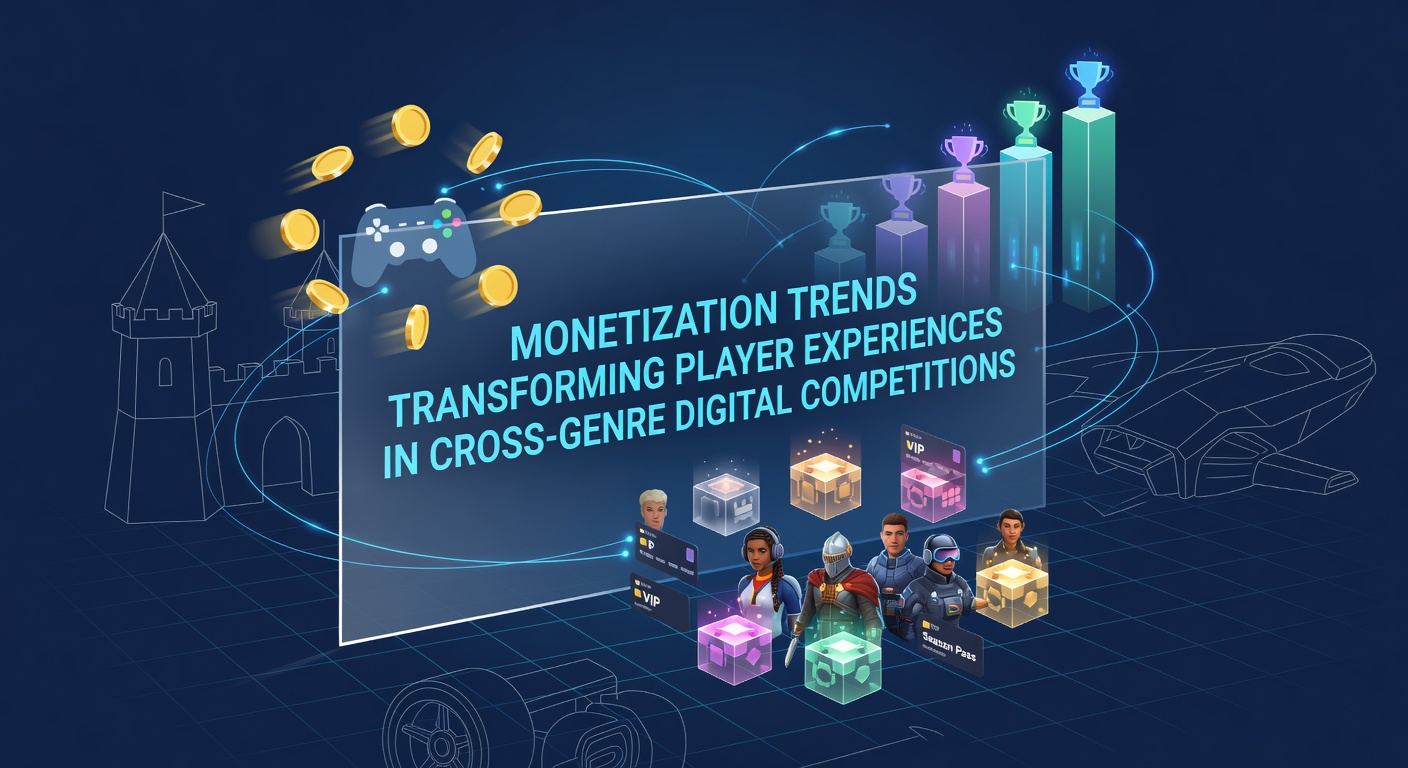
Cross-genre digital competitions have expanded rapidly as developers blend mechanics from action, strategy, simulation, and role-playing titles into unified platforms, and monetization models have adapted in tandem to support these hybrid environments while shaping how participants engage over time. Data from industry reports shows that hybrid formats now account for significant portions of player time spent in competitive online spaces, with revenue streams evolving to include layered systems that reward progression across multiple play styles rather than single-genre loops.
Subscription Layers and Access Tiers
Many platforms operating cross-genre events have introduced tiered subscription structures that grant varying levels of entry into tournaments mixing racing elements with puzzle-solving rounds or strategy maps fused with real-time combat. Research from the Entertainment Software Association indicates these models grew by double digits between 2024 and 2025 as organizers sought stable income while offering participants reduced wait times and exclusive matchmaking pools. Players who opt into higher tiers often receive accelerated resource accumulation that carries across genres, creating seamless transitions between sessions without repeated purchases for each mode.
Seasonal Battle Systems and Hybrid Rewards
Battle pass frameworks have extended beyond traditional single-genre applications into competitions where success in one discipline directly influences rewards usable in another, such as strategy tokens converting into action-phase upgrades. Figures from market analyses reveal that these passes generated over 40 percent of in-event revenue for leading cross-genre organizers during early 2026, with completion rates climbing when rewards aligned across genres rather than remaining isolated. Observers note that participants frequently adjust their play patterns to maximize overlap, completing daily objectives in puzzle segments that unlock advantages for later racing brackets within the same seasonal window.
Dynamic Pricing and Real-Time Adjustments
Dynamic pricing tools now monitor engagement metrics across blended competitions, adjusting item costs based on genre popularity spikes observed in live data streams. A May 2026 update from European regulatory bodies highlighted how these systems maintain price stability during peak tournament windows, preventing abrupt spikes that could disrupt player flow between strategy planning phases and fast-paced execution rounds. Teams running these platforms report that such adjustments sustain broader participation by aligning costs with demonstrated demand patterns rather than fixed schedules.
One documented case involved a platform that integrated simulation management tools with competitive action arenas, where in-game currency earned through cooperative strategy matches funded cosmetic upgrades visible during head-to-head showdowns. Studies conducted by academic research groups at institutions tracking digital economies found that this cross-application reduced player churn by linking progression systems, allowing resources to transfer without additional conversion fees during the transition periods.

Community Governance and Revenue Sharing
Revenue-sharing programs have emerged in several cross-genre circuits where top-performing squads vote on prize pool allocations that benefit both individual competitors and broader community features. Information released through trade associations shows participation in these governance models increased steadily through 2025, with shared funds supporting new genre fusions suggested directly by active players. This approach ties monetary incentives to sustained involvement across multiple competition formats, encouraging longer-term retention as contributors see direct impacts from their input.
Regulatory Influences on Model Design
Regulatory frameworks in regions such as Australia and Canada have prompted organizers to clarify loot mechanics within hybrid events, requiring transparent odds displays for randomized rewards that span different genre components. Compliance reports from these jurisdictions indicate that updated disclosure standards took effect in the first half of 2026, resulting in revised interfaces that present probabilities uniformly regardless of whether items apply to puzzle resolutions or action sequences. Organizers adapted by shifting emphasis toward deterministic reward paths that players could preview before committing resources, maintaining engagement without introducing uncertainty across genre boundaries.
Conclusion
Monetization approaches in cross-genre digital competitions continue to integrate subscription access, seasonal reward structures, dynamic adjustments, and community input mechanisms as core operational elements. Available data through mid-2026 demonstrates measurable shifts in participation metrics tied to these layered systems, with resource flows designed to support fluid movement between blended mechanics. External oversight from multiple regulatory areas has further refined implementation details, ensuring consistent presentation of terms across diverse competition formats. These developments reflect ongoing adaptations that align revenue generation with the structural demands of hybrid player pathways.