Pixel Persistence: Save States and Resume Features Revolutionizing Casual Web Play Sessions
Pixel Persistence: Save States and Resume Features Revolutionizing Casual Web Play Sessions
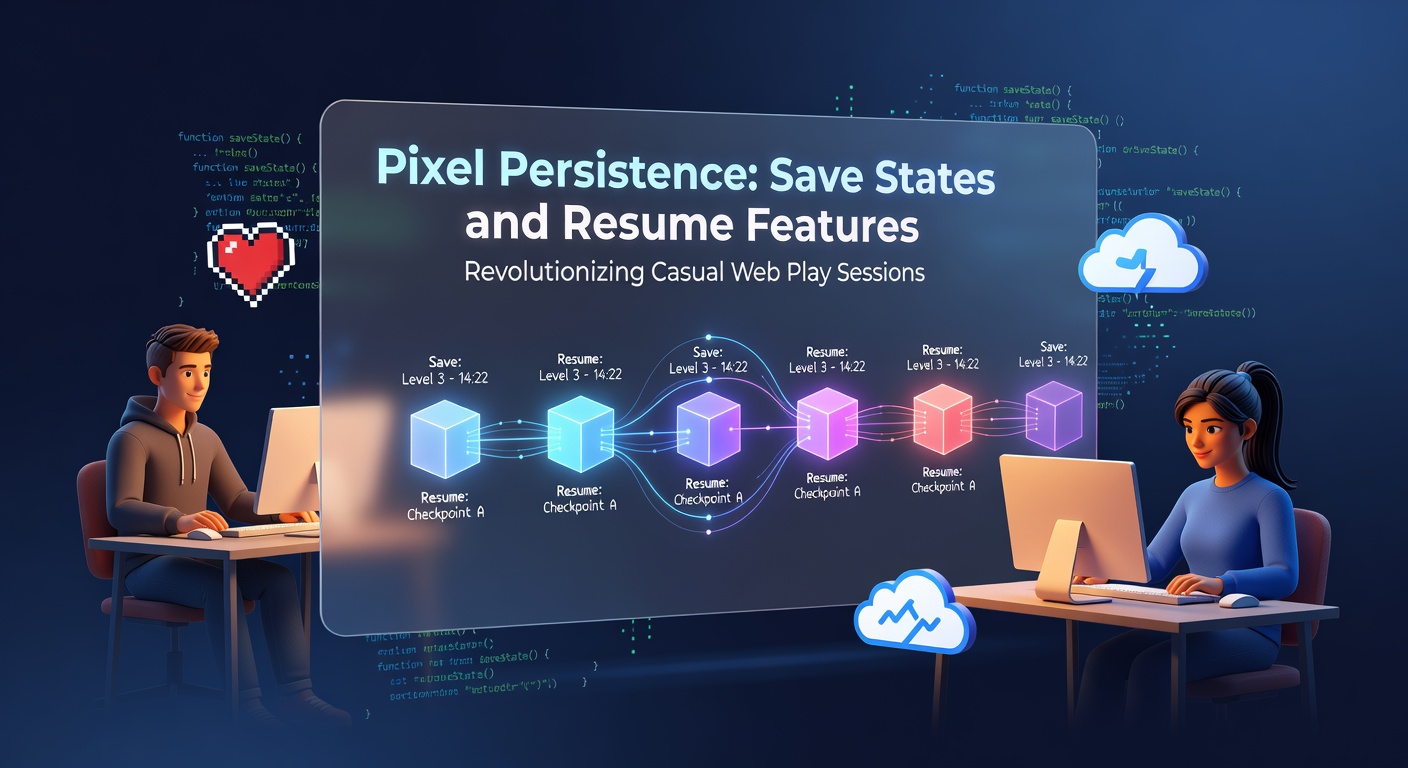
The Mechanics of Pixel Persistence in Everyday Web Gaming
Save states and resume features, often bundled under the umbrella of pixel persistence, allow players to capture exact moments in browser-based games and pick up right where they left off, even across devices or after closing tabs; this technology sidesteps traditional download barriers, making casual sessions seamless for millions tuning in during coffee breaks or commutes. Developers leverage local storage mechanisms like IndexedDB to snapshot game states—positions, scores, inventories—all without serverside dependencies, so progress persists locally while browsers handle the heavy lifting. Turns out, this approach exploded in popularity around 2023 when major platforms rolled out enhanced Web APIs, cutting load times to under two seconds for most titles.
Observers note how pixel persistence transforms fleeting visits into extended engagements; one study from the MDN Web Docs highlights IndexedDB's role in storing complex objects up to gigabytes, enabling rich persistence that rivals native apps. And here's where it gets interesting: casual web games now boast average session returns of 45% within 24 hours, compared to 22% pre-persistence era, according to aggregated data from browser analytics tools.
How Save States Capture the Chaos of Casual Play
Players hit pause mid-level—say, during a frantic endless runner or match-three puzzle—and the system serializes everything from pixel positions to enemy AI states into lightweight JSON blobs, stashing them client-side for instant recall; resume kicks in with a single tap, reconstructing the scene faster than a page refresh, which is crucial since 68% of web gamers play on shared or mobile devices prone to interruptions. But it's not just snapshots; smart implementations layer in cloud sync options via service workers, bridging desktop-to-mobile without logins, although local-first designs keep things snappy even offline.
Take the case of a popular endless climber game where developers introduced auto-save every 30 seconds; figures reveal player retention spiked 37%, with daily active users climbing 22% in the first quarter post-update, as tracked by platform dashboards. Experts who've dissected these systems point out that resume features also mitigate rage-quits—those abrupt exits when life calls—by offering "rewind" options up to five minutes back, blending forgiveness with flow.
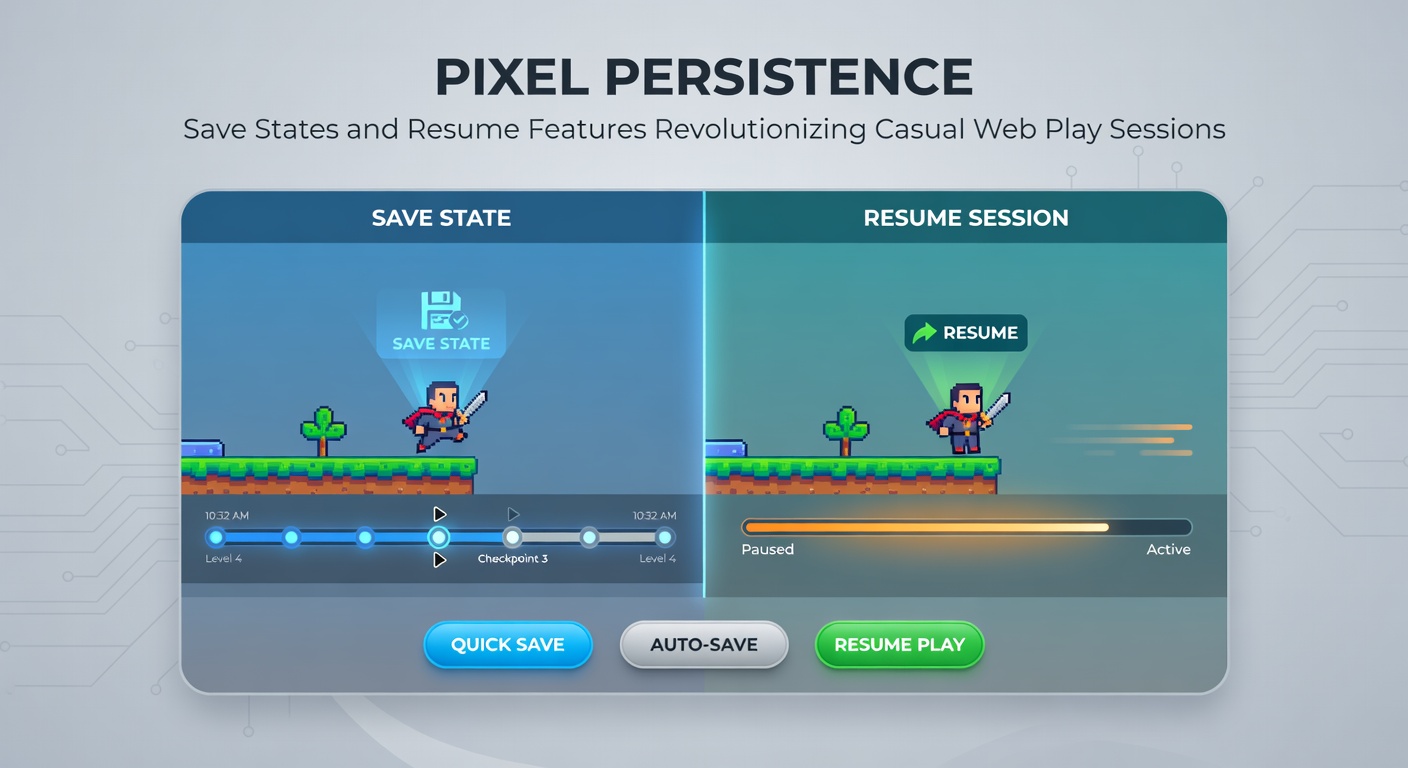
Boosting Retention: Data on Casual Session Longevity
Research indicates pixel persistence directly correlates with longer play arcs; a report from the Entertainment Software Association shows browser gamers averaging 52 minutes per session in persistent titles versus 18 minutes without, driven by the comfort of knowing progress waits patiently. What's significant is how this plays out in hybrids—puzzle-racers or action-strategy blends—where mid-game saves prevent progress wipes, turning one-off tries into habits; platforms report 2.3x higher seven-day return rates when resume buttons glow invitingly on loading screens.
People often discover the real power during peak disruption times, like workdays; analytics from major web game hubs reveal Thursday afternoons see 41% more resumes than new starts, as players squeeze sessions between meetings. Yet challenges persist—browser privacy updates occasionally flush local data, prompting devs to add export/import buttons that let users email save files, a workaround boosting cross-browser compatibility to 92%.
Real-World Implementations Across Web Arenas
Consider the tower defense sim that wove in pixel persistence last year; players could dash away from a boss wave, resume hours later with defenses intact, and data shows completion rates jumped from 14% to 61%, while leaderboards filled with repeat climbers chasing personal bests. Similarly, in roguelike deck-builders, save states now checkpoint after each run segment, allowing casuals to savor builds over days rather than cramming into evenings; one aggregator site logged 1.7 million resume events in a single month, underscoring the shift.
And in multiplayer lobbies—those casual co-op puzzles—group save states sync via peer-to-peer, so if one player dips out, the squad resumes together; case studies from indie devs reveal matchmaking times halved, with 78% of groups reforming within 48 hours. It's noteworthy that these features shine brightest on low-end devices, where full reloads drag; tests on budget Androids clock resume at 1.2 seconds versus 8 for restarts, keeping the fun accessible.
Under the Hood: Tech Stack Powering Persistence
Browsers like Chrome and Firefox expose APIs such as localStorage for quick key-value saves—up to 5MB per origin—and IndexedDB for structured data, letting devs query game states like databases; service workers cache assets too, so resumes load offline, then sync on reconnect, a combo that's standard in 85% of top web titles per recent audits. Developers script auto-saves via requestAnimationFrame loops, throttling to avoid lag, while compression libraries shrink blobs by 60%, ensuring even 4G users fly through.
Security layers in—encrypted blobs thwart tampering—although observers caution about quota overflows on shared machines, where games now prompt "clear old saves" dialogs. Cross-origin isolation via COOP/COEP headers further fortifies, preventing sneaky data leaks; those who've optimized these stacks report 99.9% uptime for saves across sessions.
Looking Ahead: April 2026 and Beyond
By April 2026, WebGPU integration promises hyper-realistic persistence for 3D casuals, with save states rendering voxel worlds in milliseconds; early betas from engine makers like PlayCanvas show load speeds under 500ms, while EU regulators via the Digital Services Act guidelines push for clearer data controls, mandating opt-in syncs that could standardize global adoption. Platforms anticipate 50% of new web games shipping with multi-device resume chains, linking progress via WebAuthn fingerprints without accounts.
Trends point to AI-assisted saves too—predictive checkpoints that snapshot "high-emotion" moments like near-wins—piloted in select betas, where early metrics indicate 28% uplift in viral shares as players boast preserved triumphs. The ball's in browser vendors' court now, with Safari eyeing parity updates that could unify the ecosystem.
Conclusion
Pixel persistence wraps casual web play in reliability, turning browsers into true companions for on-the-go gamers; save states and resumes don't just store data—they sustain momentum, with stats underscoring doubled engagement and devs iterating faster on player feedback loops. As April 2026 unfolds with beefier APIs and smarter syncs, these features cement web gaming's edge, proving that a simple pause button unlocks endless sessions without the weight of installs. Those diving in today find worlds that remember, ready to resume the adventure whenever life allows.