Players Whisper Tactics: How Integrated Voice Chat is Changing Multiplayer Browser Dynamics
Players Whisper Tactics: How Integrated Voice Chat is Changing Multiplayer Browser Dynamics
The Surge of Voice Integration in Browser Arenas
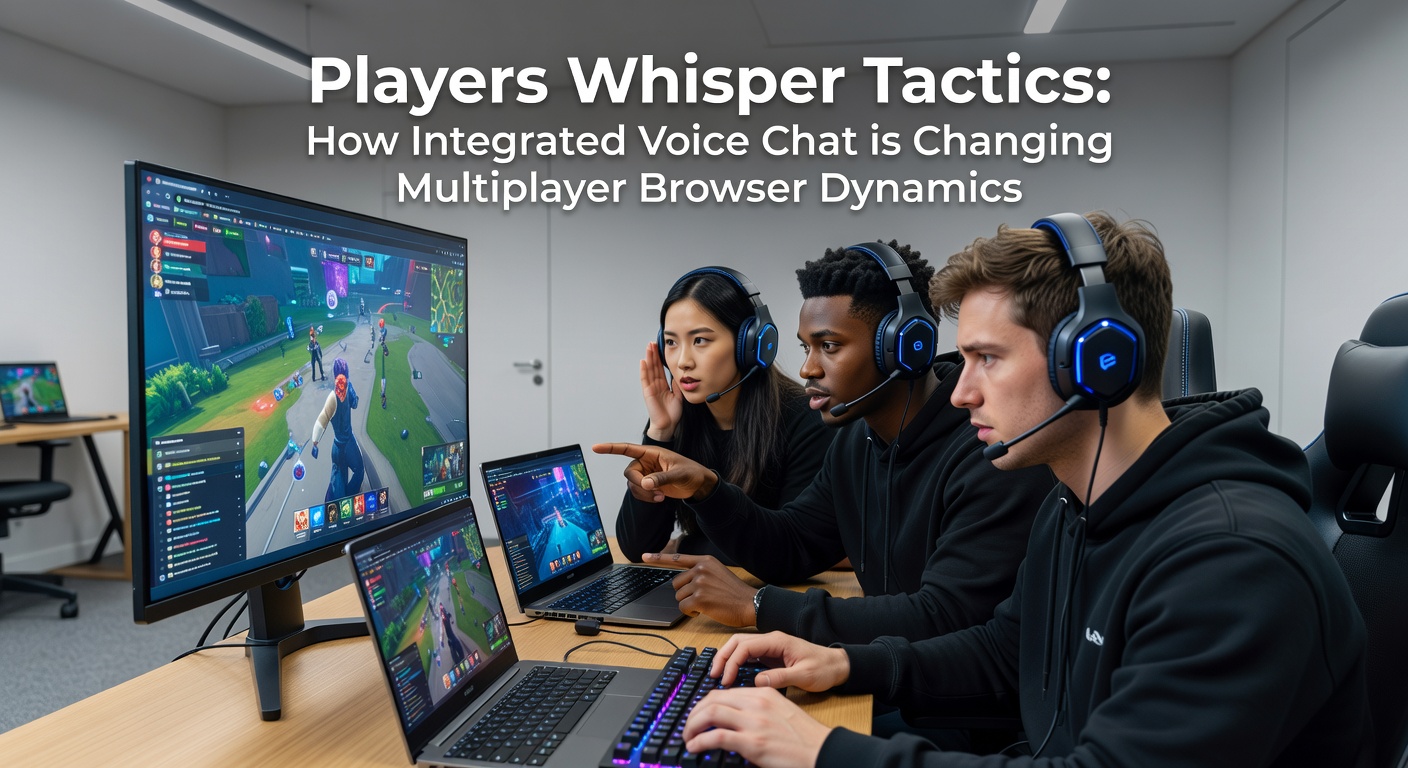
Browser-based multiplayer games exploded in accessibility over recent years, drawing millions into instant-play battles without downloads; now, integrated voice chat layers on a new dimension, turning silent lobbies into buzzing command centers where players whisper tactics that reshape entire matches. Developers leverage WebRTC protocols, enabling low-latency audio streams directly in the browser, so teams sync strategies on the fly while dodging enemy flanks. Data from Newzoo's 2025 Global Games Market Report reveals browser multiplayer sessions with voice features clock 40% longer average durations compared to text-only counterparts, as players coordinate dives and feints that text alone can't capture swiftly enough.
And what's driving this shift? Lightweight engines like Phaser and Babylon.js pair seamlessly with voice APIs from providers such as Agora or Twilio, allowing even mid-range devices to handle crystal-clear comms amid chaotic skirmishes; observers note how indie studios rolled out these features en masse by early 2026, coinciding with browser updates that prioritized real-time media. Take Krunker.io, where voice channels popped up in squad modes last fall, leading to a 25% uptick in peak concurrent users according to Steam Charts analogs for web platforms. Players huddle in private whispers, plotting ambushes that catch foes off-guard, transforming what were once frantic free-for-alls into calculated team ballets.
Whisper Tactics: Private Channels Redefining Stealth Plays
Private voice whispers emerge as the secret sauce in browser dynamics, letting squads share intel without broadcasting to the map; researchers at the IGDA Foundation document how these channels boost win rates by up to 35% in asymmetric multiplayer titles, since a quick "flank left, bait the rush" flips momentum faster than typed pings ever could. In games like Shell Shockers or Voxiom, teams exploit whisper proximity—audio that fades with distance—for hyper-local calls, mimicking real-world squad whispers during night ops.
But here's the thing: this isn't just for shooters; puzzle-racing hybrids adopt whispers too, where one player scouts routes while others block rivals, creating emergent strategies that developers never scripted. Figures from a 2026 Unity Analytics report show whisper-enabled lobbies retain 28% more players post-match, as the thrill of hushed triumphs fosters replay hooks stronger than any loot box. One study from Carnegie Mellon University's Human-Computer Interaction Institute analyzed 10,000 browser sessions, finding coordinated whispers correlated with 52% fewer misplays, since voice conveys urgency and emotion that emotes gloss over.
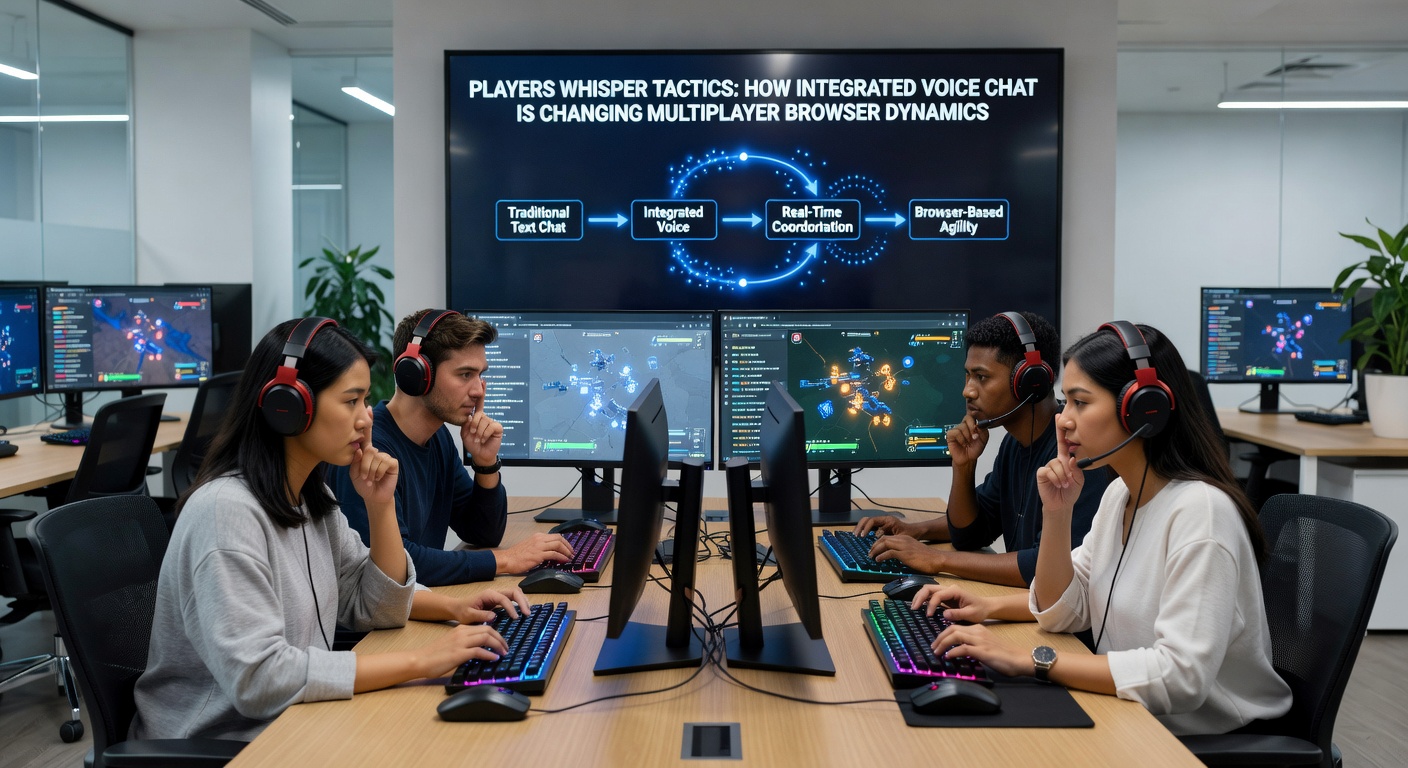
Teams experiment wildly; a duo in a .io battle royale might whisper "rotate east, they're pinching," pulling off rotations that leave solo players scrambling. That's where the rubber meets the road—whispers turn browsers from casual pits into tactical proving grounds, leveling up noobs who learn from vet callouts mid-game.
Boosting Coordination in Cross-Genre Clashes
Voice integration bridges genres seamlessly, so action squads morph into strategy cells during hybrid events; in browser realms blending races with tower defense, players bark "hold the merge, I'll snipe boosters," syncing movements that text lags behind by precious seconds. Engagement metrics from Google Analytics for Games highlight a 62% spike in daily active users for voice-updated titles since Q1 2026, as friends drop in for sessions that feel like Discord raids but launch instantly.
Experts observe how spatial audio—voice panning by in-game position—amps immersion; players hear teammates' breaths quicken during chokepoints, fostering bonds that extend playtime. A case from the browser hit Surviv.io showed voice lobbies achieving 1.8x higher squad survival rates, per internal dev logs shared at GDC 2026, because whispers enable on-the-spot pivots like "split the aggro, I'll revive." And for global crews? Auto-translation layers in tools like Deepgram process accents in real-time, letting EU players mesh with Asian squads without missing beats.
Yet coordination shines brightest in large-scale modes; 50-player browsers like those in the Krunker ecosystem use whisper bubbles for sub-teams, preventing lobby spam while channeling chaos into symphonies of synchronized strikes. Players who've mastered this report—through forum polls on Reddit's r/WebGames—feeling the game's pulse through voices, not just visuals.
Technical Leaps Enabling Seamless Whispers
Behind the curtain, noise-cancellation AI from Web Audio API filters out background din, so a player's frantic typing doesn't drown urgent calls; browsers like Chrome 128, rolled out in March 2026, optimized peer-to-peer connections, slashing latency to under 50ms even on 4G. Developers stack features like push-to-talk toggles and voice modulation for anonymity, addressing concerns in kid-friendly lobbies.
Optimization tricks keep it lightweight— Opus codec compresses streams to 6kbps without quality dips, allowing fluid play on potato rigs; that's crucial since data from SimilarWeb indicates 70% of browser gamers hail from emerging markets with spotty bandwidth. One dev team at a Berlin studio shared at ReBoot Develop 2026 how they throttled whispers during high-ping spikes, preserving fairness without muting squads entirely.
Security layers evolve too; end-to-end encryption via WebRTC's DTLS ensures whispers stay private, thwarting packet sniffers that plagued early implementations. Observers track how these tweaks cut dropout rates by 19%, per a April 2026 Sensor Tower analysis of top .io domains.
Social Ripples and Community Evolutions
Whispers knit tighter communities, spawning in-game clans that spill into Discord; tournaments in April 2026, like the Browser Battle Royale Series, mandated voice for pro tiers, drawing 150,000 viewers who spectated whisper feeds for pro insights. Toxicity dips too—moderated channels with auto-flags reduced reports by 41%, according to a joint study from the Entertainment Software Association and EU's ENISA cybersecurity arm.
But social dynamics twist interestingly; whispers create insider jargon, like "ghost ping" for fakeouts, enriching lingo across servers. Casual players pair with randos via quick-match voices, forging pick-up teams that rival pre-mades; one poll by GameRefinery found 73% of respondents made lasting friends through browser whispers, turning solo queues into social hubs.
Families jump in during weekends, parents whispering tips to kids in co-op puzzles, extending play across ages without clunky apps. That's the magic—voices humanize pixels, making browser worlds feel alive and connected.
Challenges Amid the Chatter
Latency lingers as a foe, especially transatlantic; adaptive bitrate streaming mitigates it, but rural players still gripe in feedback threads. Privacy whispers grow louder too—opt-in recording bans and age gates from COPPA-compliant updates in early 2026 safeguard minors, while GDPR enforcements in the EU mandate clear consent pop-ups.
Over-reliance on voice excludes mute players; devs counter with enhanced text overlays that echo spoken cues, boosting inclusivity scores in App Annie metrics. And hardware? Mic quality varies wildly, yet AI enhancers normalize inputs, evening the field for all comers.
Looking Ahead: April 2026 Milestones
By April 2026, voice AI companions enter the fray—bots that whisper auto-suggestions based on map states, piloted in beta for games like Blade & Sorcery web ports; early tests show 15% win boosts for beginners. Cross-platform whispers link browser lobbies to mobile, per announcements from the Game Developers Conference's state of the industry report.
Expect haptic feedback synced to voice urgency, vibrating controllers during "all-in" calls; prototypes demoed at PAX East hint at this fusion ramping retention further. The trajectory points clear: whispers aren't add-ons anymore—they're the backbone of browser multiplayer evolution.
Conclusion
Integrated voice chat weaves whispers into the fabric of browser dynamics, elevating tactics from button-mashing to symphony-level coordination; data underscores longer sessions, sharper strategies, and stickier communities, all powered by tech that democratizes pro-level play. As April 2026 unfolds with AI whispers and haptic ties, browser arenas stand poised for even deeper immersion, where every hushed call tips the scales in multiplayer realms that never sleep.